What Makes an App Addictive?
(Or: Why your toddler treats the iPad like a slot machine)

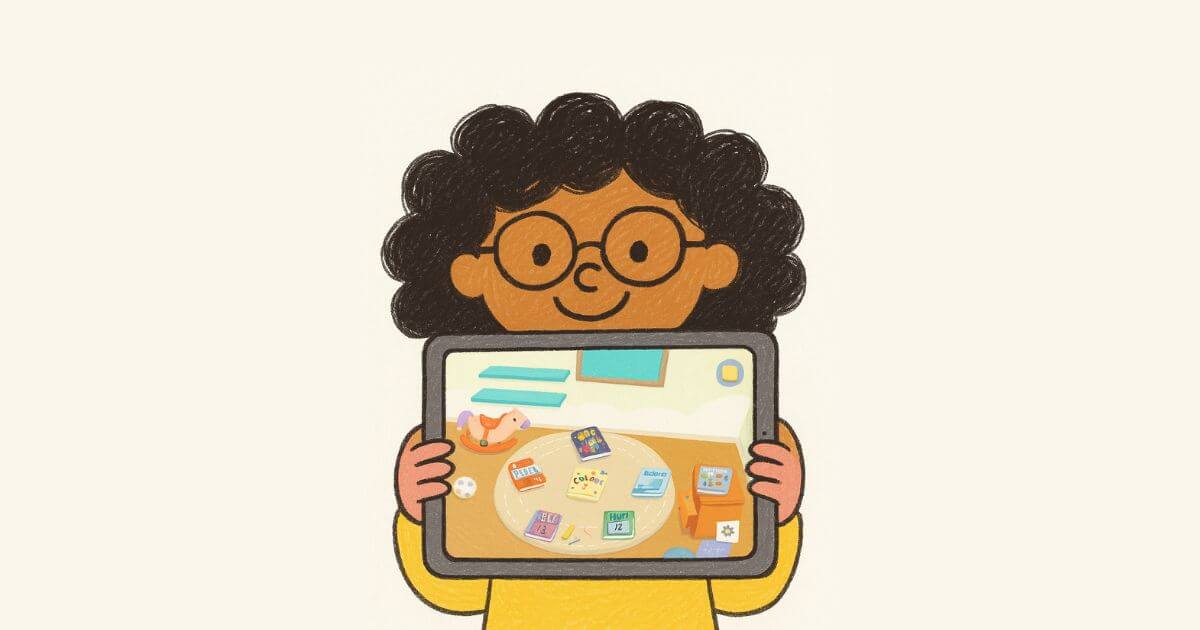
Let me paint you a picture. It's 6 PM. You're trying to cook dinner while simultaneously preventing your three-year-old from using the cat as a stepping stool. You hand over the iPad with some "educational" app—the one with the friendly cartoon characters that promises to teach letters and numbers. Peace, finally.
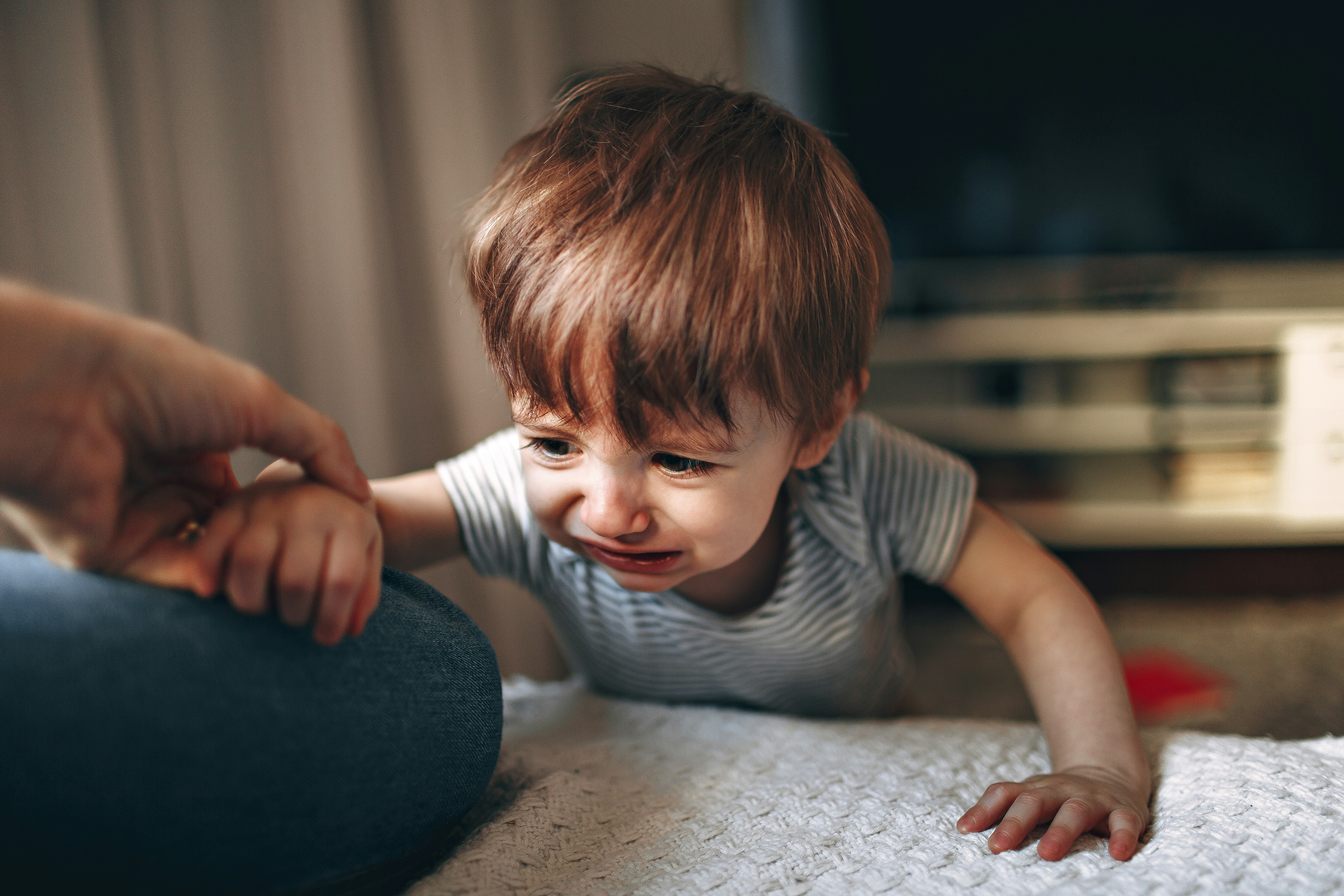
Thirty minutes later, you announce dinner is ready. And that's when your sweet angel transforms into a tiny, rage-filled demon. Screaming. Tears. Maybe some thrown objects. You'd think you just confiscated their kidney, not a piece of glass and metal.
Here's the thing: it's not bad parenting. It's not even a "spoiled" child. It's neuroscience. That app? It's been deliberately designed to hijack your kid's developing brain using the same psychological tricks that make adults lose their life savings at casinos.
Welcome to the world of addictive app design, where the games are rigged and your toddler's dopamine system is the house that always wins.
Let's Talk About Your Kid's Brain (It's Both Amazing and Terrifyingly Vulnerable)
Here's what's happening inside that adorable little head: your child's brain is basically a construction site. During ages 0-7, the brain is building its fundamental architecture—laying down the neural pathways that will shape how they think, feel, and behave for the rest of their lives.
Dopamine in young children reinforces essential survival activities and fuels curiosity-driven exploration, but their self-regulation systems are completely underdeveloped. Translation? Your toddler's brain has a gas pedal (dopamine) but no brakes (impulse control). It's like giving someone a Ferrari before they learn what "red light" means.
Now here's where it gets scary: gaming releases so much dopamine that on brain scans, it looks the same as cocaine use. When I first read that, I had to put down my coffee. We're not talking about a little chemical bump here—we're talking about cocaine-level dopamine floods. In a three-year-old's brain.
For your young child, this means their developing brain can become "wired" to expect constant stimulation. Building blocks? Boring. Drawing with crayons? Not enough dopamine hits. That puzzle that kept them occupied for 20 minutes last month? Can't compete with an app that delivers a dopamine rush every 3 seconds with cheerful sounds, animated stars, and digital confetti.
When reward pathways are overused, they become less sensitive, and more and more stimulation is needed to experience pleasure. It's tolerance, just like with any other addictive substance. Except instead of building tolerance to alcohol or drugs, your preschooler is building tolerance to... normal life.
The Meltdown Isn't Your Fault (It's Withdrawal)
Remember that tantrum when you took away the iPad? When parents attempt to limit screen time, children may react with agitation or frustration due to dopamine-driven desire to continue the activity. Over time, children may develop a tolerance to these dopamine spikes, requiring more exposure to achieve the same level of satisfaction, which can lead to compulsive behaviors.
Your toddler isn't being manipulative. They're experiencing actual withdrawal from a neurochemical high. The app flooded their brain with feel-good chemicals, then you yanked away the source. Of course they're losing it.
This is especially brutal for young children because young children tend to become addicted to playing mobile phones, video games, and social media more easily because their minds are premature and very vulnerable. Adults have a fighting chance against addictive design because our prefrontal cortex is (theoretically) fully developed. Your four-year-old? They're bringing a plastic spoon to a gunfight.
How Apps Hook Your Kids: The Design Tricks You Need to Know
Let's peek behind the curtain at how these apps work. Games are masters at giving us a sense of competence. They start with easy tasks, and early success triggers dopamine. Games rely on core loops: repetitive actions like collecting resources, followed by rewards.
Here's what this looks like in practice:
YouTube Kids and the Endless Scroll: That autoplay feature? It's not for your convenience. It removes natural stopping points, keeping content flowing without any parent input. Your child literally cannot stop themselves because the app never gives them a chance to. It's like if someone kept refilling your coffee cup every time you took a sip—you'd never actually finish the cup, and you'd be vibrating by lunchtime.
Daily Login Rewards: "Come back tomorrow for a special surprise!" Gaming apps pressure children to return every day, building a habit before they even understand what a habit is. Miss a day and your child feels genuine loss—not because they care about digital coins, but because their brain has been conditioned to expect a dopamine hit at that specific time.
Parasocial Relationships: Character-based apps create emotional attachment through parasocial relationships with characters. Your child doesn't just like Elsa or Bluey—they feel like these characters are their friends. When you turn off the app, it feels like you're forcing them to leave their friends. The app designers know this. They're counting on it.
The Confetti Cannon Effect: Every tap gets a reward. Cheerful sounds, stars, animated celebrations. Reward sounds create dopamine hits every few seconds. Compare this to real life: when your child stacks blocks, they get satisfaction maybe once when the tower is complete. The app gives them that same hit every single time they tap the screen. Real life can't compete with that reward schedule, and it's not supposed to have to.
The Age Factor: Why 0-7 Is Especially Dangerous
If you're a first-time parent with a young child, you have both a massive disadvantage and a huge advantage. The disadvantage? Young children's self-regulation systems are completely underdeveloped, making them maximally vulnerable to addictive design.
But here's your advantage: unlike parents of older kids who must break established addictions, you can set healthy patterns from day one. The habits you establish now—before age 7—will literally shape the structure of your child's brain. This is the most neuroplastic period of their entire life.
The constant influx of dopamine from screen interactions can leave children in a state of hyper-arousal, making it difficult for them to calm down or self-soothe. This heightened emotional agitation can lead to increased anxiety, frustration, and difficulty coping with everyday stressors.
For a toddler, this looks like:
- Can't sit through a meal without a screen
- Melts down during car rides without videos
- Can't fall asleep without an iPad
- Refuses to play with regular toys
- Has trouble transitioning between activities
These aren't personality traits. They're symptoms of a dysregulated dopamine system.
Red Flags: How to Spot an Addictive App in 30 Seconds
Addictive apps often rely on constant notifications, bright visuals, and immediate rewards, which can lead to unhealthy screen dependence.
When evaluating an app, look for these warning signs:
- Ads (even "age-appropriate" ads teach consumerism to kids who can't distinguish advertising from content)
- In-app purchases (designed to exploit lack of impulse control)
- Autoplay features (removes natural stopping points)
- Character licensing from popular shows (leverages emotional attachment)
- Social features like likes, followers, or comments (creates FOMO in preschoolers, which is just... no)
- Fast-paced scene changes (overstimulates and prevents processing)
- Loud, jarring sounds (keeps arousal level high)
If you open an app and within 30 seconds you see these elements, close it and delete it. That's not an educational app. That's a dopamine delivery system with a friendly veneer.
Green Flags: What to Look For Instead
Apps should be evaluated on: Active Learning (child generating responses, not just reacting), Engagement (sustained interest without overstimulation), Meaningful Learning (connects to real-world knowledge), and Social Interaction (promotes interaction with caregivers or peers).
In practical terms, look for apps that:
- Require parent involvement (if it's designed for solo use, that's a red flag)
- Have natural stopping points (finite levels, clear endings to activities)
- Are slow-paced with time to process what's happening
- Teach cause-and-effect rather than just random responses
- Encourage offline activities ("Now go find something red in your house!")
- Don't send notifications (your three-year-old doesn't need push notifications)
Non-addictive learning apps like Khan Academy Kids and PBS Kids excel at maintaining healthy balance of education and engagement. StoryTime also uses a "low dopamine" approach, engaging children without overwhelming their senses or relying on immediate gratification.
The Bottom Line: What First-Time Parents Need to Remember
- You're not fighting your child's willpower—you're up against designers who spent millions hacking kids' dopamine systems for profit
- Ages 0-7 = maximum influence on brain development
- Patterns you set now become neurologically "wired in"
- Every boundary you hold literally builds healthier brain architecture
- Yes, it's exhausting. Yes, there will be tears. Yes, you'll feel like the only "strict" parent.
- But you're preventing brain tissue loss in areas governing planning, impulse control, and compassion development
- Tantrums = temporary. Brain architecture = permanent.
- Already deep in the YouTube Kids hole? Don't despair—every reduction helps
- Every co-viewed minute beats solo screen time
- Their brain is still building. You can still influence it.
- Best time to start: at birth. Second-best time: right now.
(And maybe delete that app with the dancing characters. You know the one.)
Coming up next in this series: "Screen Time Guidelines That Actually Work in Real Malaysian Life" (Because WHO recommendations are great, but they clearly never met your mother-in-law with her unlimited YouTube policy.)