
8 articles

Six free preschool math worksheets for ages 3-5, covering counting, number recognition and early addition, with easy tips to make them work at home.

Simple, mess-friendly STEM activities for preschoolers you can set up in five minutes with things already in your kitchen. No worksheets, no fancy kits.
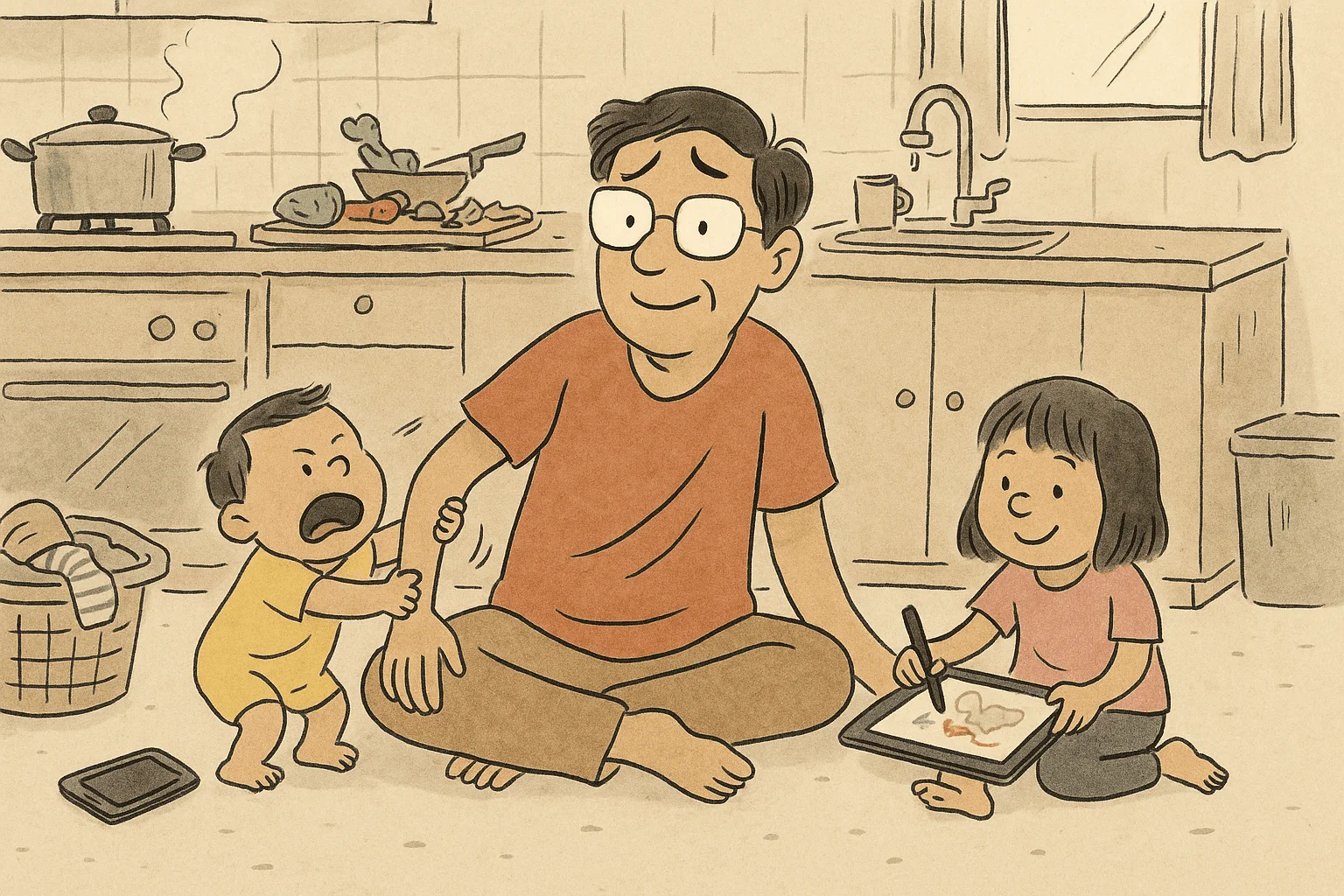
The truth is, screen time isn't inherently good or bad. It's like sugar, exercise, or letting your kids wear mismatched socks to the grocery store (yes, Karen from playgroup, I see you judging). The magic isn't in avoiding it completely – it's in how you use it.
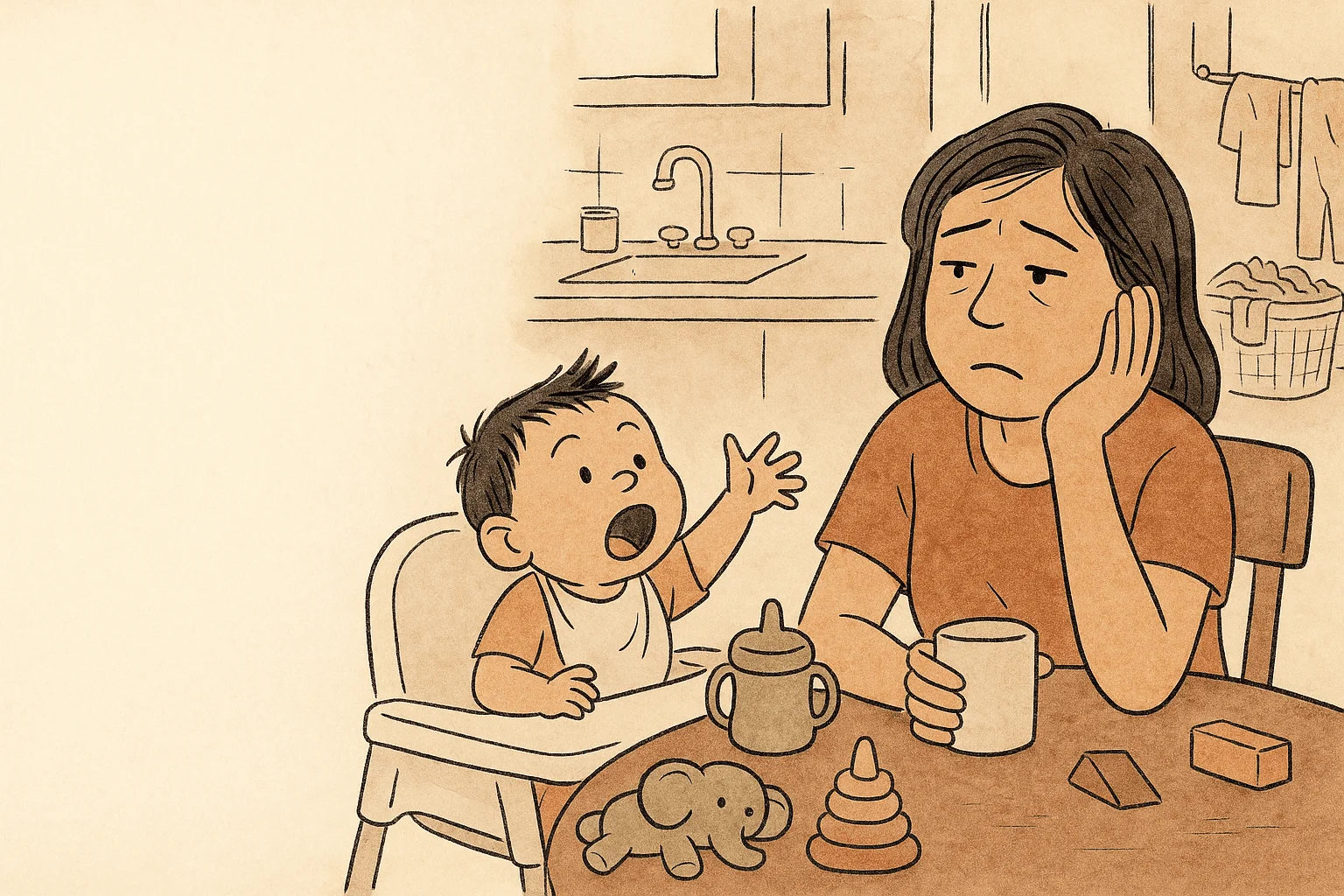
So there you are at 3 AM, Googling "why won't my 2-year-old talk" while your perfectly verbal neighbour's kid recites Shakespeare in the sandbox. (Okay, maybe just counting to ten, but it feels like Shakespeare when your own child's vocabulary consists of "no," "mine," and an impressive array of dinosaur sounds.)
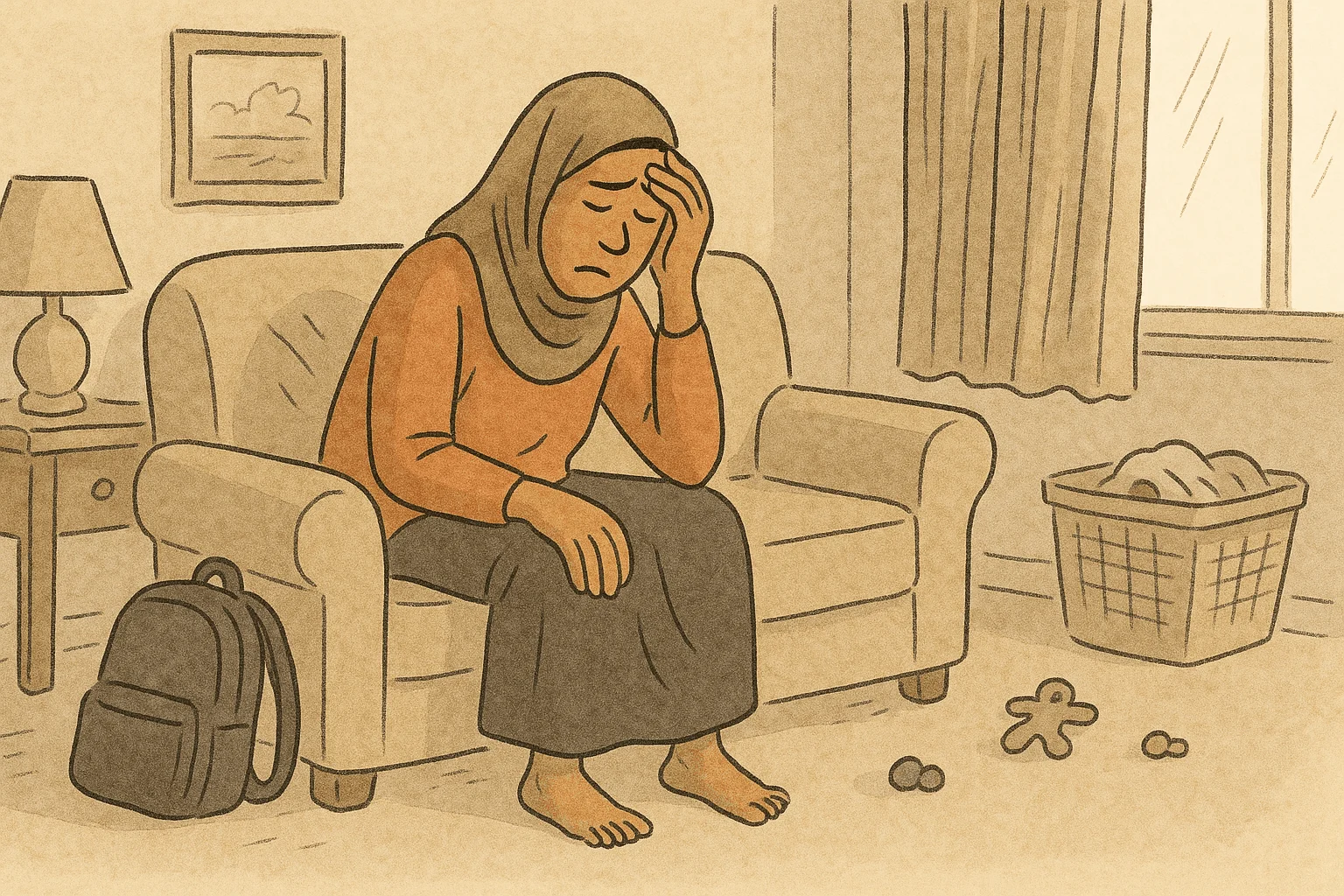
So there you are, already late for work, coffee getting cold, and suddenly you hear that voice coming out of your mouth, the one that sounds suspiciously like your own mother (or father) when she was at her wit's end. "JUST PUT ON THE SHOES!" you yell, immediately followed by that familiar sinking feeling in your stomach. Great. You've become that parent.

Welcome to potty training, folks. It's like trying to negotiate a peace treaty with a tiny dictator who has no concept of international law and whose primary weapon is their bladder.
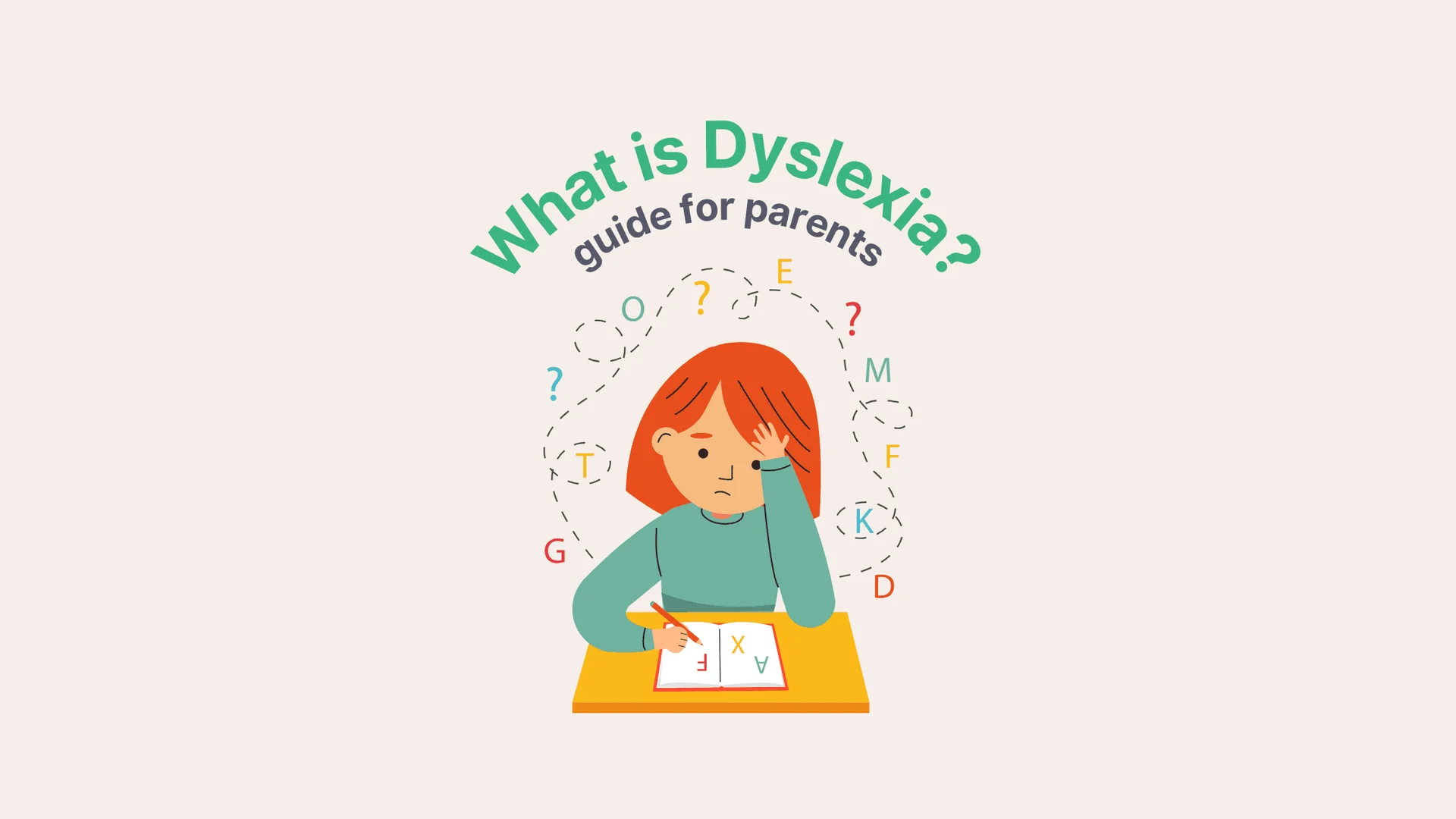
Many parents think dyslexia simply means reading letters backward. In reality, it's a complex language-based learning disorder that affects about 20% of the population and can be identified before your child starts reading. Understanding the signs and getting early support can make a tremendous difference in your child's educational journey.
As a parent of a young child, you might notice your little one being more energetic, distracted, or impulsive than their peers. Understanding ADHD early can make a significant difference in your child's development and success. Let's explore what ADHD looks like in young children and how you can provide the support they need to thrive.